


Visiting Zheliang University and Tsinghua University
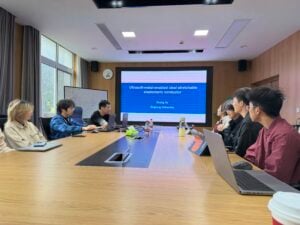
Visiting Rui Xiao and Zheng Jia at Zheliang and attending a liquid crystal elastomer conference. The funnest part was meeting with Rui and Zheng’s students and learning about their work. Thanks, Rui, for organizing everything.




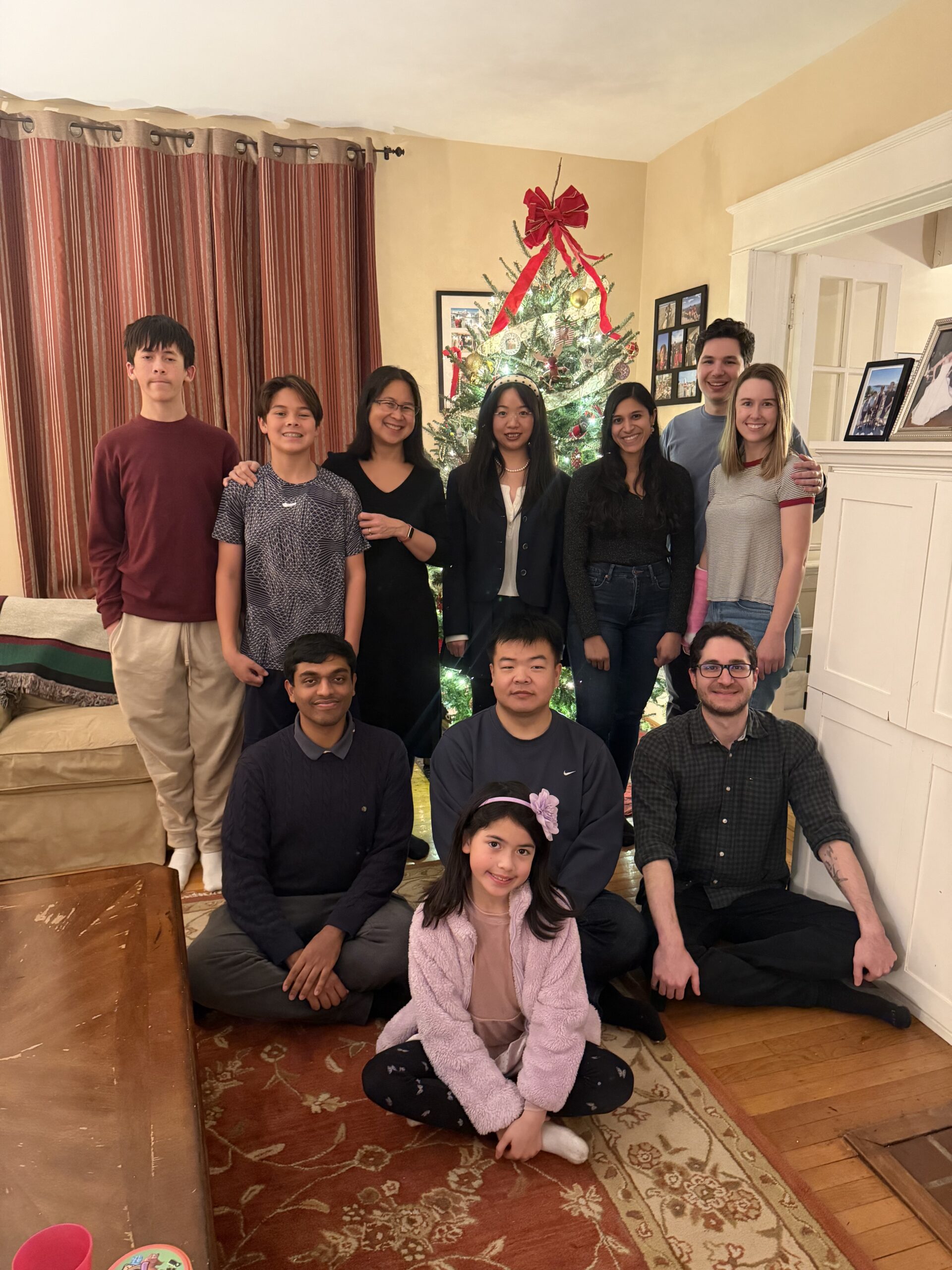
In Tsinghua, I visited Huajian Gao’s newest institute and reconnected with old friends and met new colleagues. Thank you to Ran Shi (former visiting student at the Nguyen Lab) and Quan Jiao, JHU alumnus, for spending the day with me hiking the Great Wall, eating dumplings, and hotpot.


Atlanta, GA
It was wonderful to reconnect with colleagues at SES, catch up with former students and postdocs, and celebrate at the banquet. The awards celebration was very special. Thank you to KT Ramesh and Guy Genin for nominating me for the Rice Medal and other awards. Thank you to the students and postdocs of the NguyenLab for making it possible. Thank you to Sanjay Govindjee, Huajian Gao, and Yonggang Huang, Ellen Arruda, H. Jerry Qi, and many others for your support throughout the years.
The Nguyen Lab had our largest unplanned reunion at SES 2025. Aurelie Azoug, Arina Korneva, Hai Dong, and their students: Brandon Zimmerman and Zheliang Wang. In addition, Sanjay Govindjee was there, and it was special to celebrate my award with him. We also caught up with Adyota Gupta, graduate of both Berkeley and JHU. Yuefeng Jiang presented at his first US conference, and Tingting Xu presented her amazing work on optimization of LCE structures. It was an amazing experience that I will cherish for a long time.


Sending Bibek off on his next adventure as a postdoctoral fellow at Los Alamos National Labs.

Tampere, Finland
Geeking it out on LCEs with colleagues and friends, including Albert Shenning, Jerry Qi, Taylor Hebner.


Coupled Theory and Computational Modeling of Active Hydrogels
Active elastomeric hydrogels can undergo large deformation and shape change in response to a wide variety of physical, chemical, and biomolecular stimuli, such as temperature, pH, ionic strength, electric field, light, etc. In the past two decades, there has been a resurgence in the synthesis technique and fabrication of active hydrogels for soft robotics, ionotronics, and drug delivery devices. In parallel, a great effort has been made to develop continuum-scale coupled theories for stimuli-responsive hydrogels. In a closed-loop design-fabrication cycle, it is
important to perform computational analyses of the to-be-manufactured hydrogel devices to understand the thermo-electro-chemo-mechanical behaviors under different environmental conditions. While a plethora of numerical techniques exist, the finite element method appears to be the most reliable approach to perform multi-field analyses of hydrogel-based structures. This dissertation presents coupled continuum theories, constitutive modeling, and finite element analyses of thermo-responsive hydrogels, polyelectrolyte hydrogels, and reaction-
programmable poly-co-DNA hydrogels.
In the first part of this dissertation, I investigated the locomotion mechanisms of multi- segmented thermo- responsive hydrogels. Using finite element analyses, I demonstrated that the design-induced differential friction forces between the segments and volume phase transition-induced rapid diffusion kinetics are the primary driving
forces for the crawling. In the second part of the work, I developed a coupled electro-chemo-mechanical theory and finite element implementation of polyelectrolyte hydrogels. The proposed finite element framework was validated against experimental results. I then studied the consolidation-creep behavior of polyelectrolyte gel and the transient bending behavior of polyelectrolyte gel-rubber bilayer. For both cases, I discussed the effect of different material and geometric parameters by performing parametric studies, which can be used in the design
consideration of hydrogel devices under these loading conditions. In the last part, I extended the coupled continuum theory, constitutive model, and the finite element framework to model reaction-programmable swelling of poly(Am-co-DNA) hydrogels. I showed the validity and limitations of the constitutive model under certain cases and proposed possible directions to be pursued to explain the swelling behavior more accurately. To foster future research progress, I decided to make the finite element implementations for hydrogels, polyelectrolyte hydrogel, and poly(Am-co-DNA) hydrogels publicly available for the readers. This will allow them to apply the models directly to study interesting behaviors as well as to extend the implementations for specialized cases as needed. Based on the current implementations, similar frameworks can be easily developed for other active materials. Overall, this dissertation lays an important stepping stone in the field of an integrated theoretical and computational approach for coupled continuum theories of active hydrogels and similar materials.


Lyon, France
It was a rare treat to present at the European Solid Mechanics Conference in Lyon and running into Rui Xiao, original NguyenLab member. He’s doing amazingly well at Zheliang University.

Albuquerque, NM
Catching up with alumni has become a highlight of conferences.
It was great to catch up with Seda Aslan and see her present on the Aorta simulation studies. I also saw Hai Dong’s and Arena Korneva’s students present for the first time.


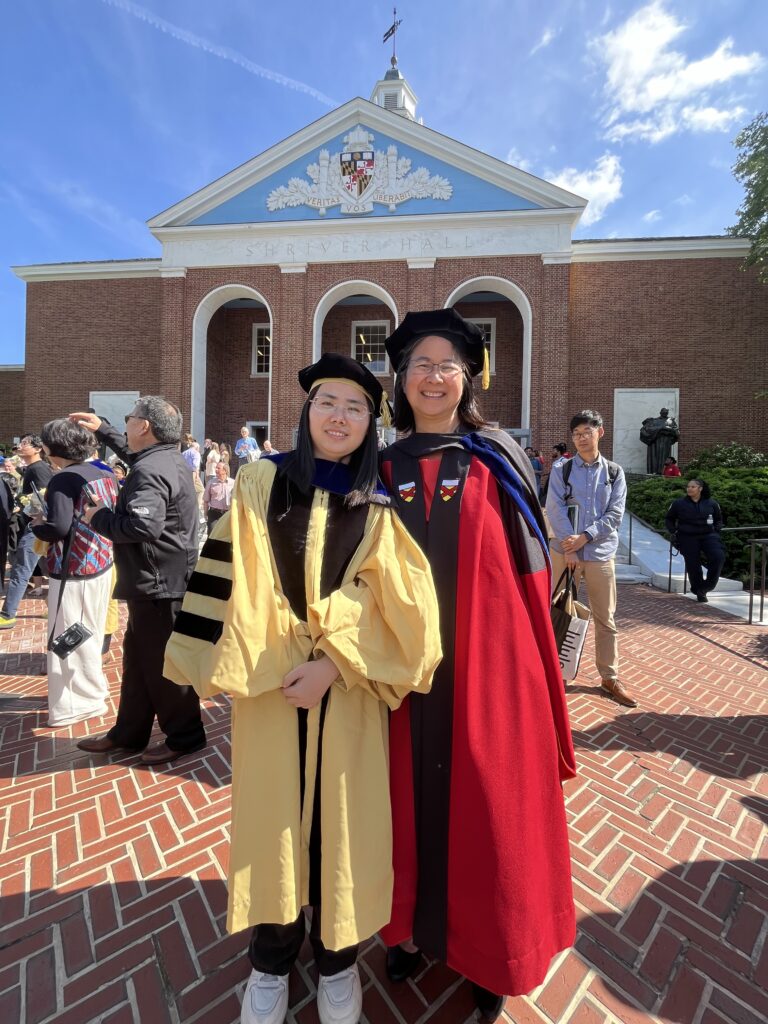
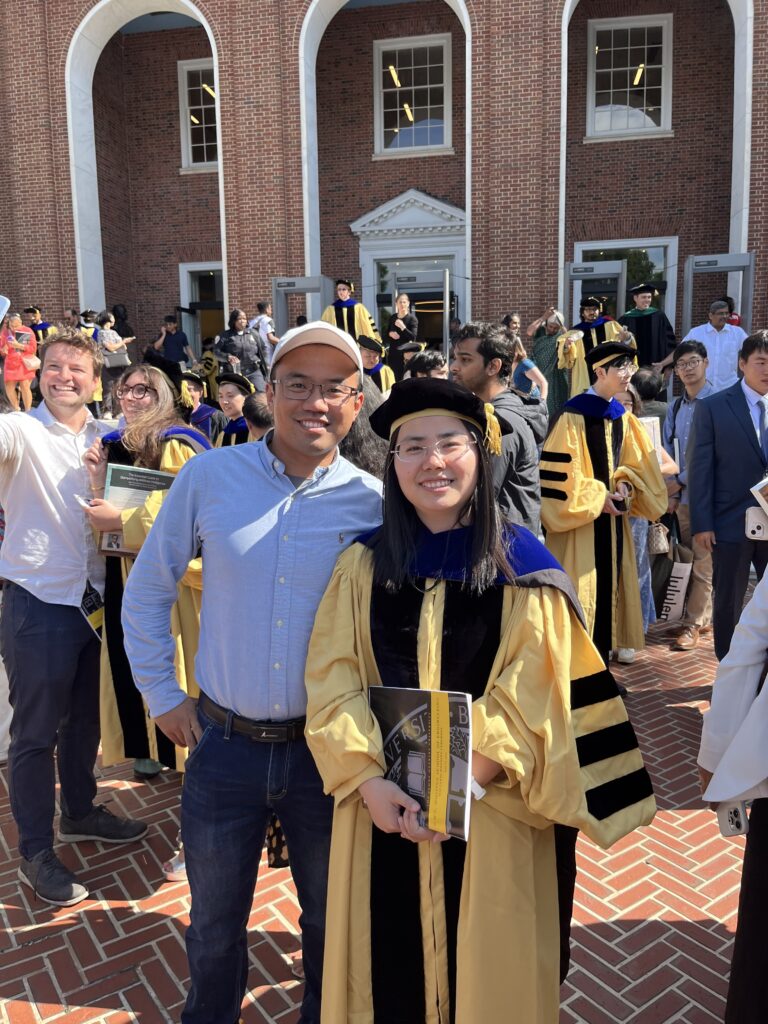
One of the happiest days of the year. Graduations and the Hooding of new Doctors of Philosophy. Congratulations Beijun Shen. I am incredibly proud at what you’ve accomplished.
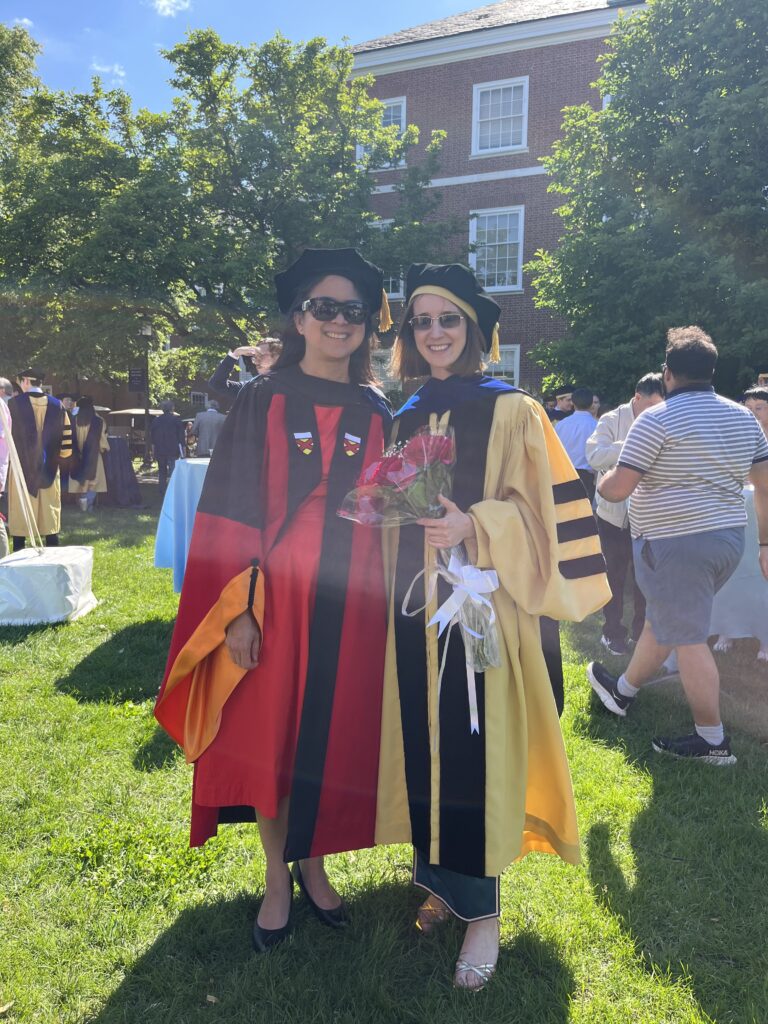
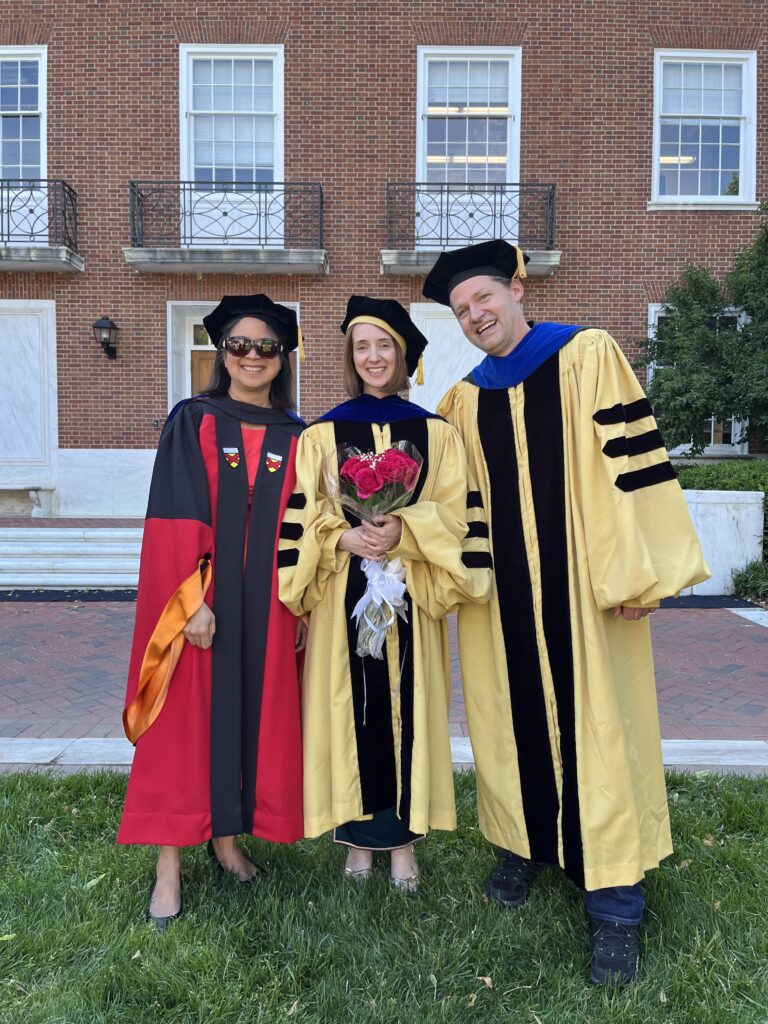
Congratulations Seda Aslan! It was a pleasure working with you and Axel the past couple of years.